
Ad Spend
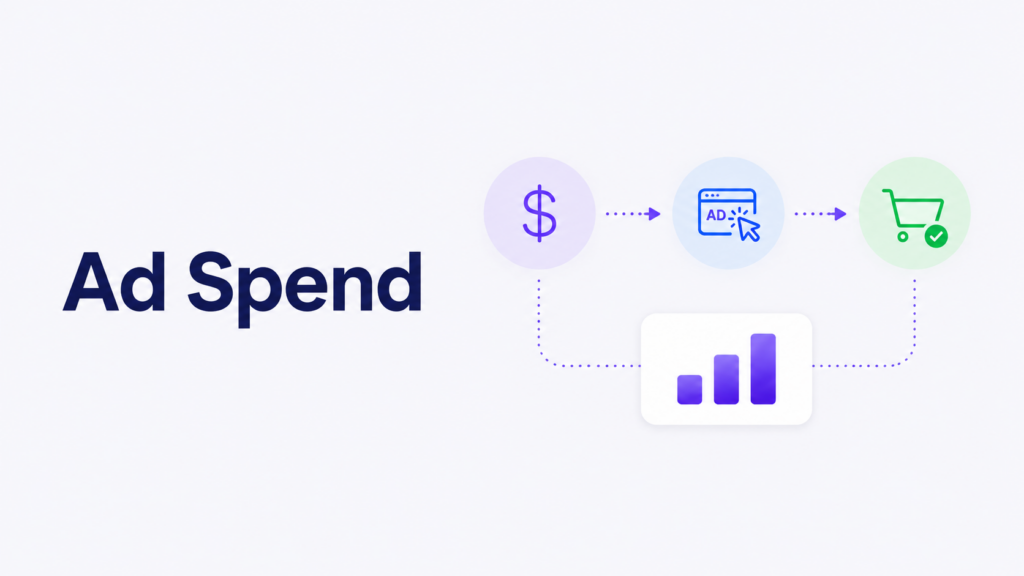
What Is Ad Spend? Ad spend is the amount of money a business spends on advertising campaigns across channels such as paid search, paid social, display ads, video ads, marketplaces, and other media platforms. It usually refers to direct media costs, but some teams may also include related costs such as agency fees, creative production, […]
Attribution

What Is Attribution? Attribution is the process of identifying which marketing touchpoints influenced a conversion, lead, sale, or other business outcome. In marketing, attribution helps teams understand where results came from, which channels contributed, and how campaigns supported the customer journey. What Does Attribution Mean in Marketing? In marketing, attribution connects user actions to the […]
What Is Marketing Mix Modeling (MMM)? Definition and Use Cases

Marketing mix modeling is a measurement method that analyzes how different marketing channels, external factors, and business conditions contribute to sales, revenue, or other outcomes over time. Often called MMM, it uses historical data to estimate the impact of channels such as paid search, paid social, TV, offline media, email, and promotions. Unlike user-level attribution, […]
What Is Unified Marketing Measurement?
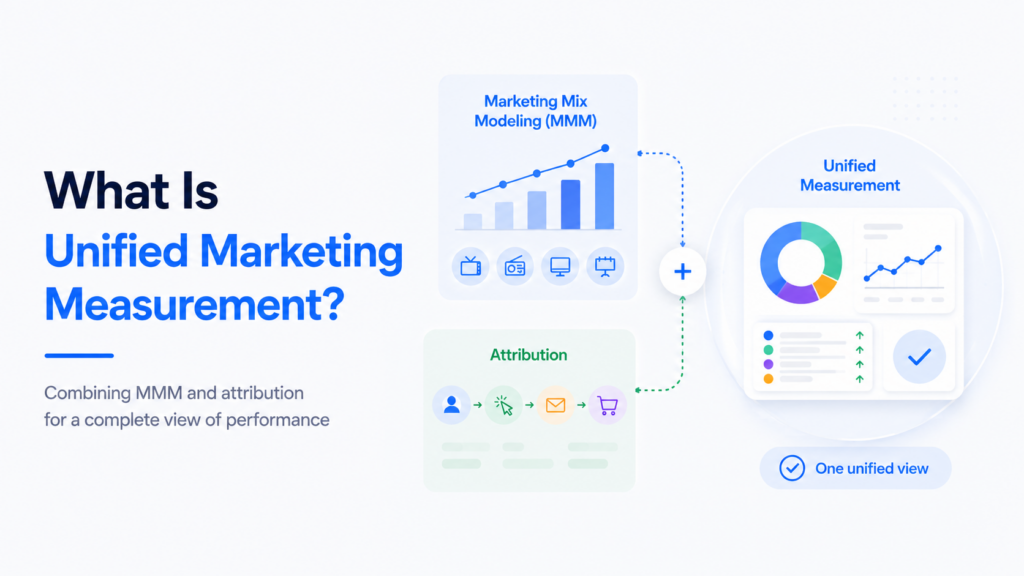
Unified marketing measurement is a marketing measurement framework that combines different data sources and methodologies to understand how marketing affects performance across channels, campaigns, and customer touchpoints. It is designed to give teams a more complete view than any single reporting method can provide on its own. In practice, unified measurement connects online offline data, […]
Propensity Scores in Marketing: What They Measure and How Teams Use Them

Propensity scores in marketing are numerical ratings that estimate how likely a person, account, or audience segment is to take a specific action. That action might be making a purchase, requesting a demo, renewing a subscription, clicking an ad, or becoming a qualified lead. A propensity score is usually based on behavioral, demographic, firmographic, transactional, […]
UTM Parameters: Definition and Best Practices

UTM parameters are short pieces of tracking code added to the end of a URL to identify where website traffic comes from and how a campaign performs. Marketers use UTM parameters, also called UTM tags, to track sources, channels, campaigns, and specific links in analytics and attribution tools. For example, a paid social ad, email […]
What Is Invalid Traffic? IVT Definition
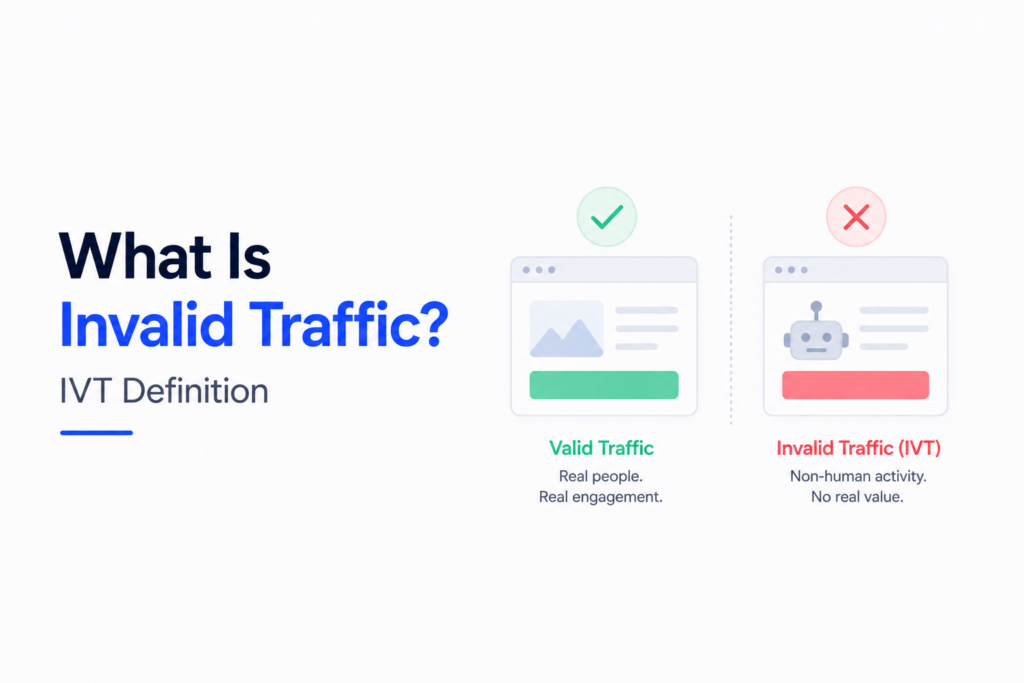
Invalid traffic is website, ad, or campaign traffic that does not come from genuine users with real intent. In digital advertising, the IVT definition usually includes bot activity, accidental clicks, repeated non-human interactions, click fraud, and traffic generated to inflate impressions, clicks, or conversions. Invalid traffic matters because it can distort campaign performance, waste media […]
What Is Offline Conversion Tracking?
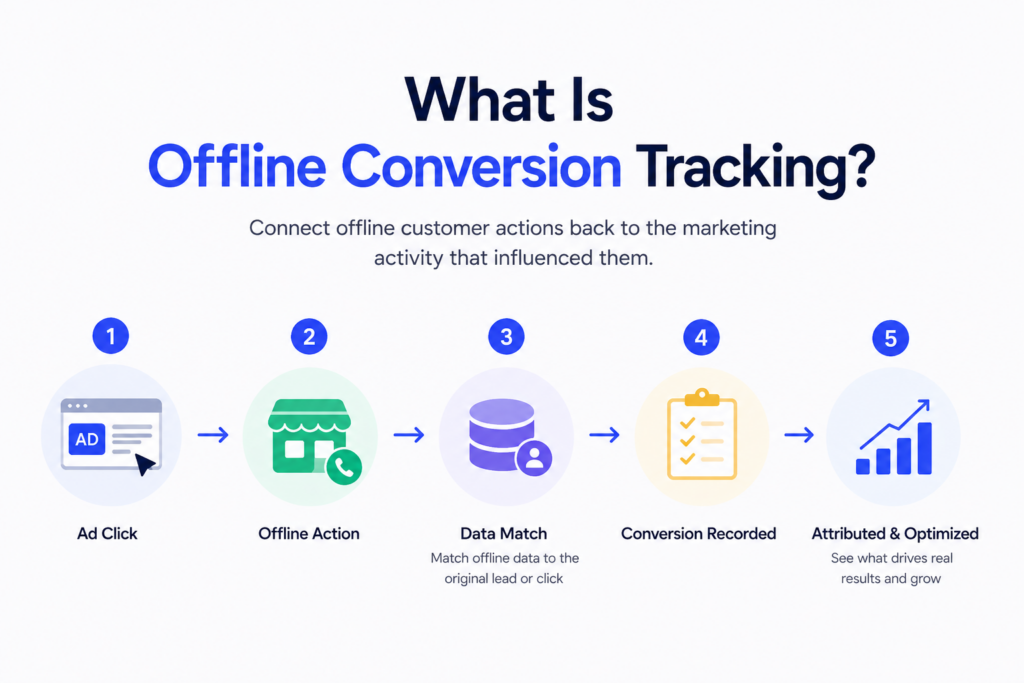
Offline conversion tracking is the process of connecting customer actions that happen outside your website or ad platform back to the marketing activity that influenced them. These conversions can include phone calls, CRM-qualified leads, closed deals, in-person purchases, store visits, consultations, or sales conversations. In simple terms, offline conversion tracking helps marketers understand what happened […]
What Is Conversion Propensity Modeling in Marketing?
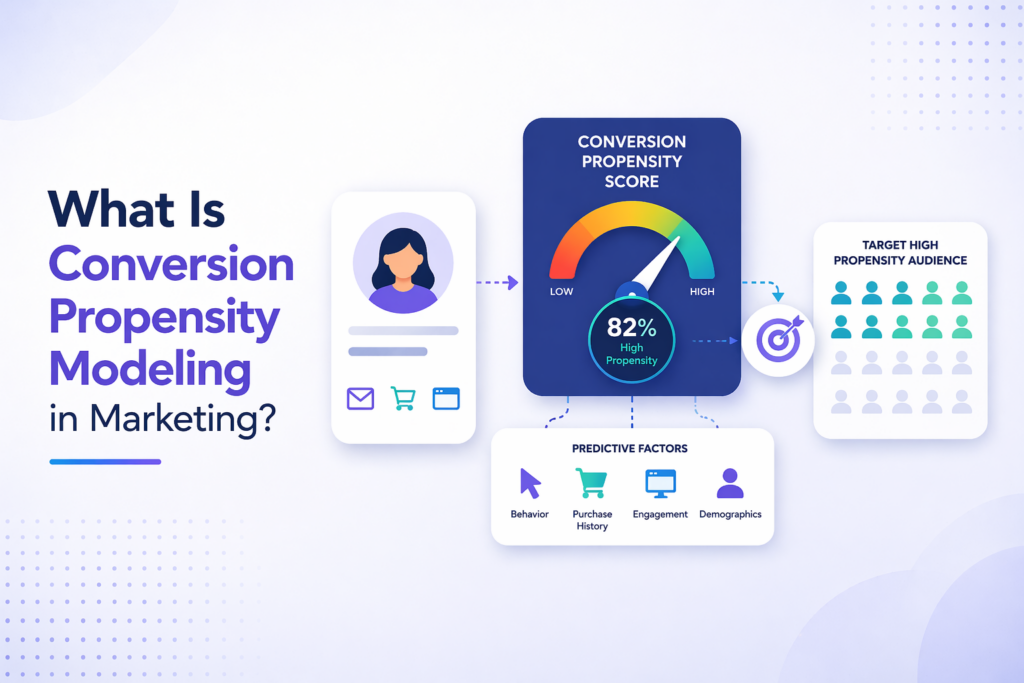
Conversion propensity modeling is a method marketers use to predict how likely a user is to complete a desired action, such as filling out a form, booking a demo, or making a purchase. It uses historical behavior, audience attributes, and engagement signals to assign a likelihood-to-convert score to leads, visitors, or audience segments. In practice, […]
Assisted Conversions

What Are Assisted Conversions? Assisted conversions are conversions where a marketing channel contributed to the customer journey but was not the final interaction before the conversion. They help marketers identify channels that introduce prospects, support consideration, or encourage return visits even when another channel receives the last-click credit. For example, a customer may discover a […]
View-Through Attribution

What Is View-Through Attribution? View-through attribution is a measurement method that credits an advertising impression when someone sees an ad, does not click it, and later completes a conversion within a defined period. It is commonly used for display, video, connected TV, programmatic, and paid social campaigns, where an impression may influence future behavior without […]
Attribution Window

What Is an Attribution Window? An attribution window is the period during which a conversion can be credited to an earlier marketing interaction. It determines how long after someone clicks or views an advertisement a platform can associate a purchase, signup, lead, or other conversion with that interaction. For example, a seven-day click window credits […]
Conversion Tracking
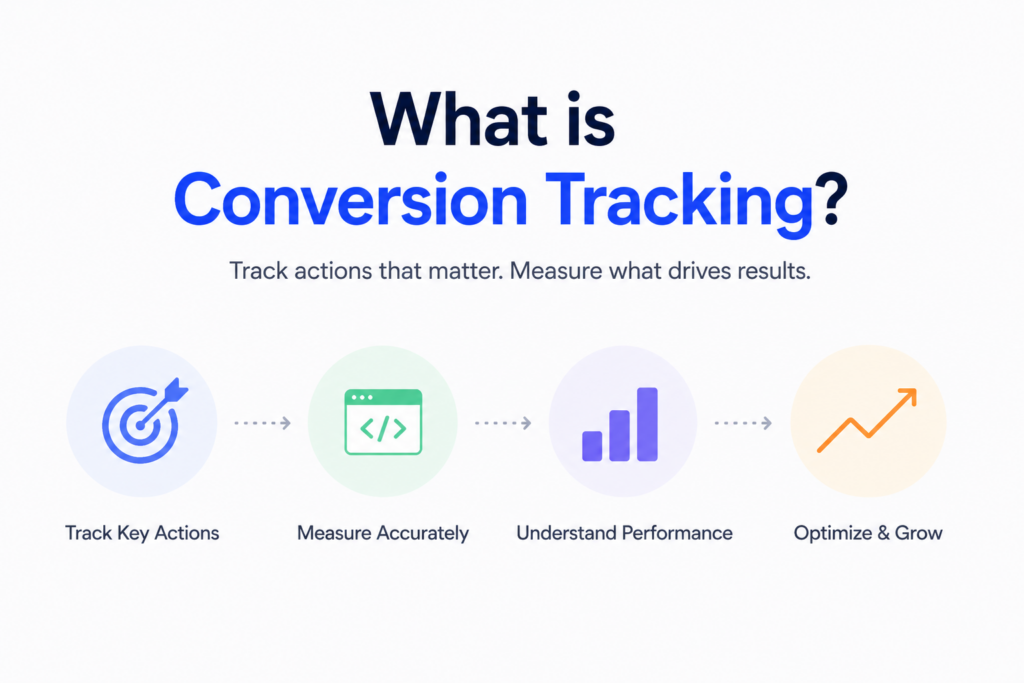
What Is Conversion Tracking? Conversion tracking is the process of recording when a user completes a valuable action after interacting with a marketing campaign. Common conversions include purchases, form submissions, demo requests, account signups, phone calls, qualified leads, and closed deals. Conversion tracking captures the outcome, while marketing attribution determines how credit for that outcome […]
Cross-Channel Attribution

What Is Cross-Channel Attribution? Cross-channel attribution is the process of measuring how different marketing channels contribute to a conversion across the customer journey. It connects interactions from sources such as paid search, social media, email, organic search, direct traffic, and offline activity instead of evaluating each channel separately. Cross-channel attribution is part of the broader […]
Algorithmic Attribution Model

What Is an Algorithmic Attribution Model? An algorithmic attribution model is a marketing measurement method that uses statistical analysis or machine learning to assign conversion credit across multiple customer touchpoints. Instead of following a fixed rule, such as giving all credit to the first or last interaction, the model analyzes journey data to estimate how […]