
Marketing Spend Optimization: How Attribution Improves Budget Decisions

Marketing spend optimization is the process of using performance data to decide where budget should be increased, reduced, or reallocated. The goal is not simply to spend less, but to direct investment toward the channels and campaigns most likely to generate qualified conversions, pipeline, and revenue. Attribution improves this process by showing how different touchpoints […]
Attribution Audit Checklist: Why Your Numbers Don’t Match

An attribution audit is a structured review of conversion tracking, campaign data, attribution settings, and revenue reporting. Its purpose is to explain why platforms such as Google Ads, Meta, GA4, CRM systems, and attribution tools report different performance numbers. The objective is not to make every system show identical results. Different tools use different attribution […]
How to Build a Marketing Budget Plan Using ROI Signals
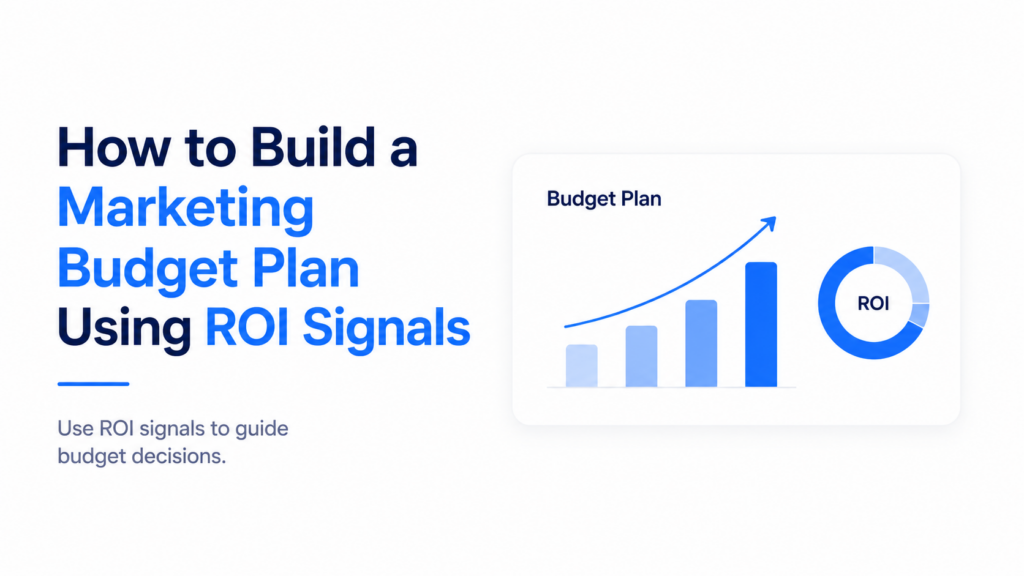
A marketing budget plan explains how a business will distribute spending across channels, campaigns, tools, content, and experiments during a defined period. A stronger plan uses ROI signals to guide those decisions instead of copying last year’s budget or dividing spend according to internal preferences. Useful ROI signals include revenue, customer acquisition cost, qualified pipeline, […]
Ad Spend Tracking: What Marketers Need to Measure

Ad spend tracking is the process of recording advertising costs and connecting them to campaign activity, conversions, pipeline, and revenue. It helps marketers understand how much is being invested across paid channels and what that investment produces. Unlike an ad spend glossary page, this guide focuses on how to build a reliable tracking process. It […]
How Click Fraud Affects Attribution and Campaign Reporting
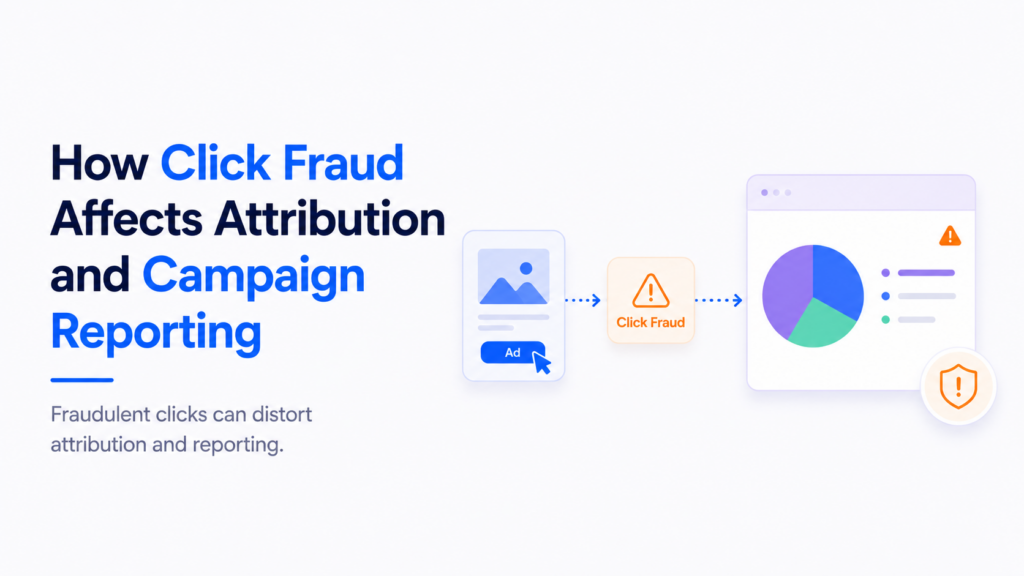
Click fraud affects attribution by introducing fake or low-quality interactions into the customer journey. When fraudulent clicks are treated as genuine engagement, campaigns, channels, keywords, or placements may receive credit for conversions they did not influence. This can distort campaign reporting even when the fraudulent click does not create a direct conversion. A suspicious interaction […]
How Do You Reallocate Marketing Budget Across Channels?
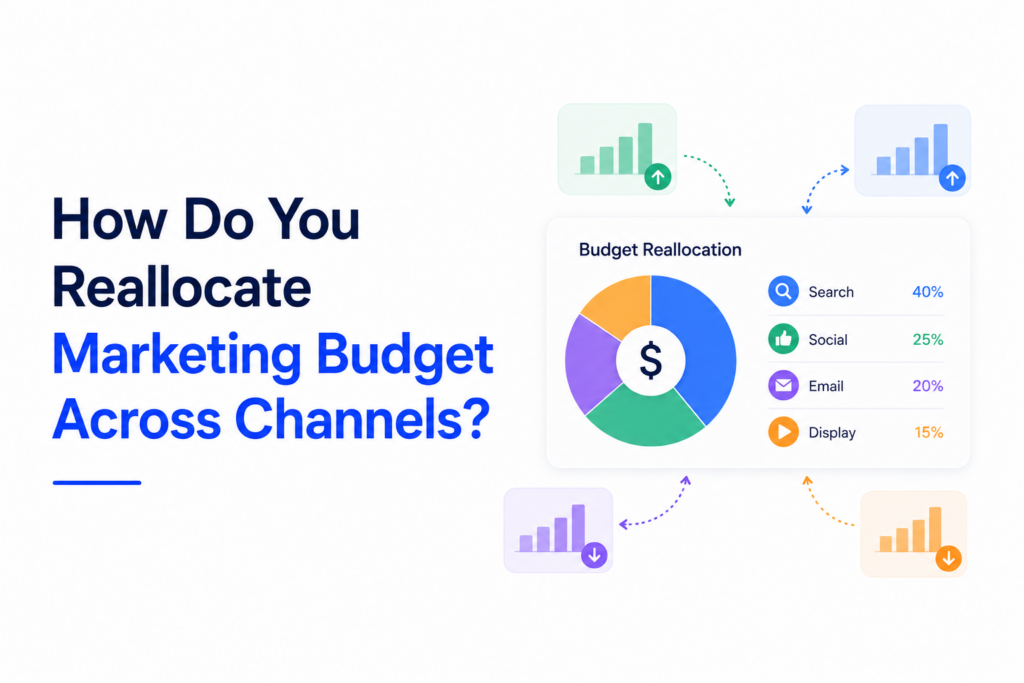
You reallocate marketing budget by moving spend away from channels with weak incremental performance, limited capacity, or declining returns and directing it toward channels with stronger business outcomes and more room to scale. The decision should not be based only on which platform reports the highest ROAS. Marketers also need to consider conversion quality, pipeline, […]
How Do Marketing What-If Scenarios Work?
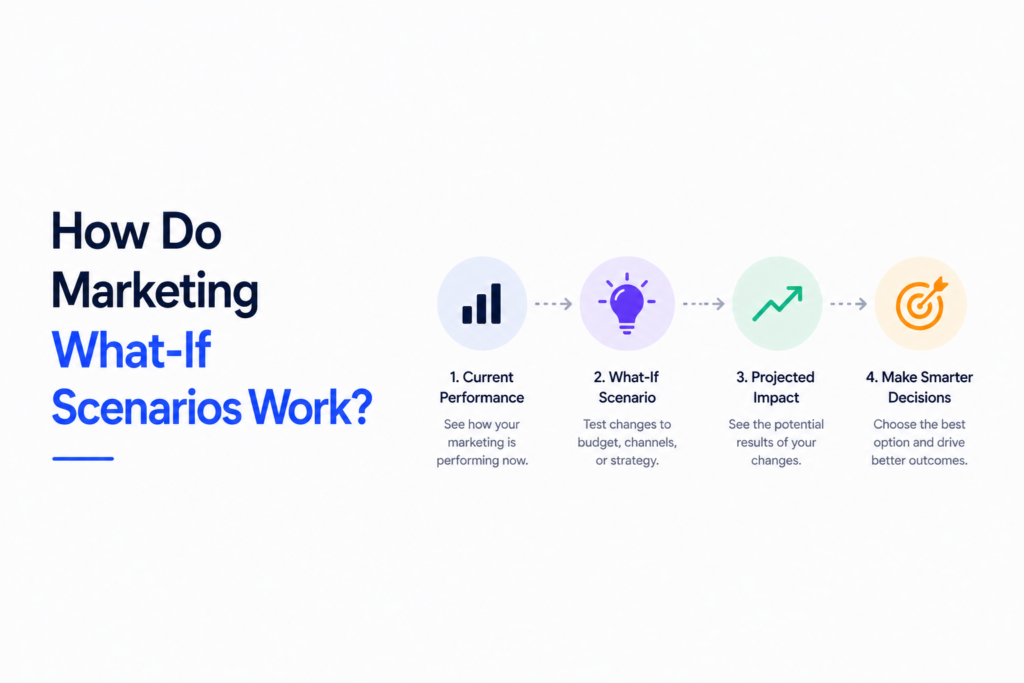
Marketing what-if scenarios estimate how a proposed change in budget, channel mix, timing, targeting, or campaign strategy could affect performance before the change is implemented. They help marketers compare possible outcomes using historical data, attribution insights, cost trends, and clearly defined assumptions. For example, a team might model what could happen if it moved 15% […]
Intent Signals in Marketing: How to Identify High-Intent Audiences
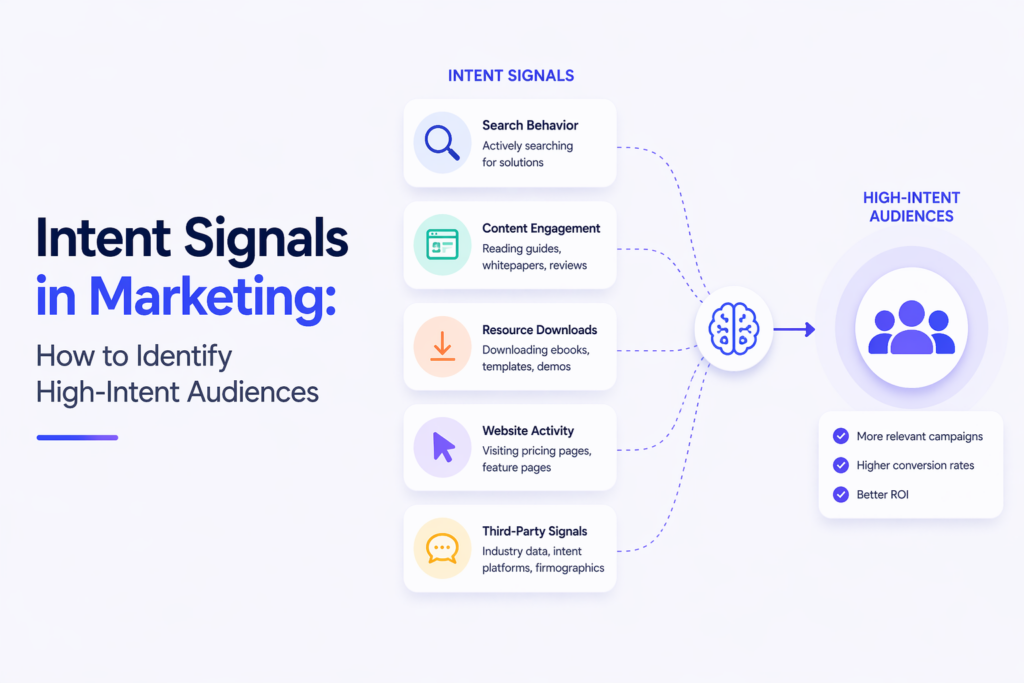
High-intent audiences are groups of users who show stronger signs that they may complete a valuable action, such as requesting a demo, starting a trial, making a purchase, or contacting sales. Marketers identify these audiences by analyzing intent signals such as page visits, repeat sessions, search behavior, campaign engagement, and CRM activity. A single action […]
Agentic AI Marketing Optimization: Use Cases, Limits, and Risks

Agentic AI marketing optimization refers to AI systems that continuously monitor marketing performance, identify meaningful changes, and recommend actions marketers can take. Unlike a static dashboard or scheduled report, an agentic system is designed to evaluate new data and respond proactively. In marketing, this may include recommending budget changes, identifying declining campaign efficiency, suggesting targeting […]
Marketing ROI vs ROAS: What’s the Difference?
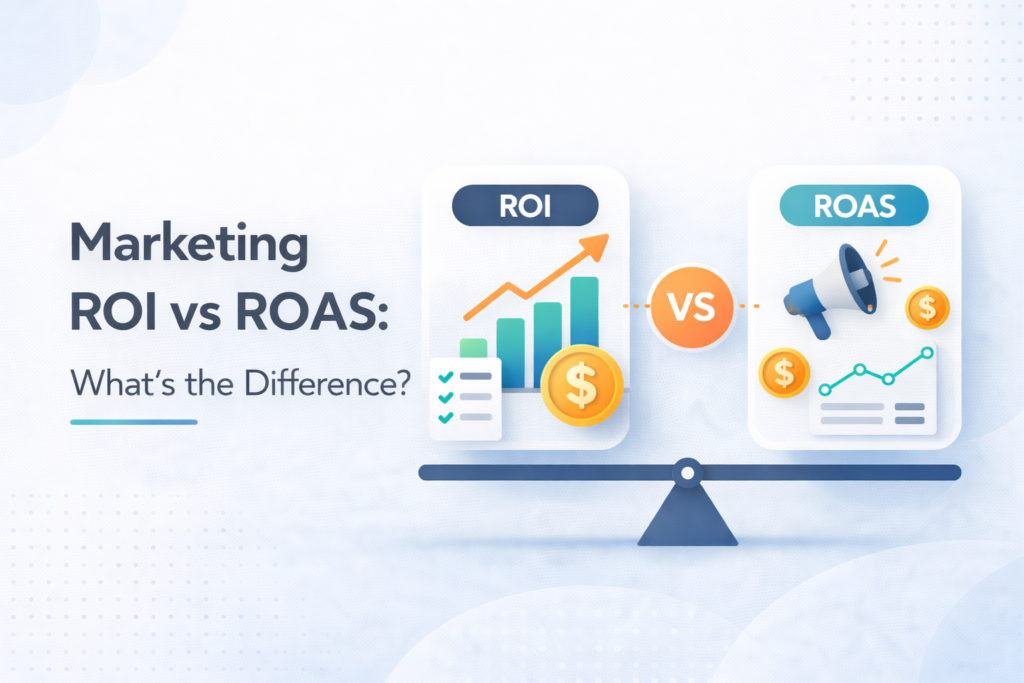
Marketing ROI and ROAS both measure marketing performance, but they answer different questions. ROAS shows how efficiently advertising spend generates revenue, while marketing ROI evaluates the broader financial return from the total marketing investment. In practical terms, ROAS is mainly a paid media efficiency metric. Marketing ROI is a broader profitability metric that can include […]
Marketing ROI Formula: How to Calculate It With an Example

The marketing ROI formula measures the financial return generated by marketing compared with the amount invested. It helps teams evaluate whether a campaign, channel, or broader marketing activity is producing enough value to justify its cost. The standard formula is: Marketing ROI = ((Revenue attributed to marketing − Marketing cost) ÷ Marketing cost) × 100 […]
Attribution Models: First-Click vs Last-Click vs Multi-Touch

Attribution models are frameworks that determine how conversion credit is assigned across marketing touchpoints. They help marketers evaluate whether paid ads, organic search, email, social media, direct visits, or other interactions contributed to a purchase, lead, signup, or demo request. Each model interprets the customer journey differently. As a result, the model a team selects […]
Attribution Reporting: What It Is and What to Include

Attribution reporting shows which marketing channels, campaigns, and touchpoints contributed to a conversion. It turns customer journey and conversion tracking data into a structured view of how marketing influences outcomes such as purchases, signups, qualified leads, and demo requests. Unlike standard channel reports, attribution reports do not evaluate each platform in isolation. They connect interactions […]
Marketing Attribution: Definition, Examples, and Use Cases

Marketing attribution is the process of identifying which marketing channels and touchpoints contribute to a conversion, then assigning credit to those interactions. A conversion might be a purchase, demo request, signup, qualified lead, or another measurable business outcome. Instead of evaluating only the final click, marketing attribution connects conversion tracking data to the broader customer […]