
AI Marketing Optimization: How AI Improves Campaign and Budget Decisions
AI marketing optimization is the use of artificial intelligence and predictive models to analyze marketing performance and recommend better decisions across campaigns, audiences, channels, and budgets. Instead of relying only on historical reports, marketers can use AI to identify patterns, evaluate possible changes, and decide where the next marketing dollar may create more value. The […]
Ad Spends
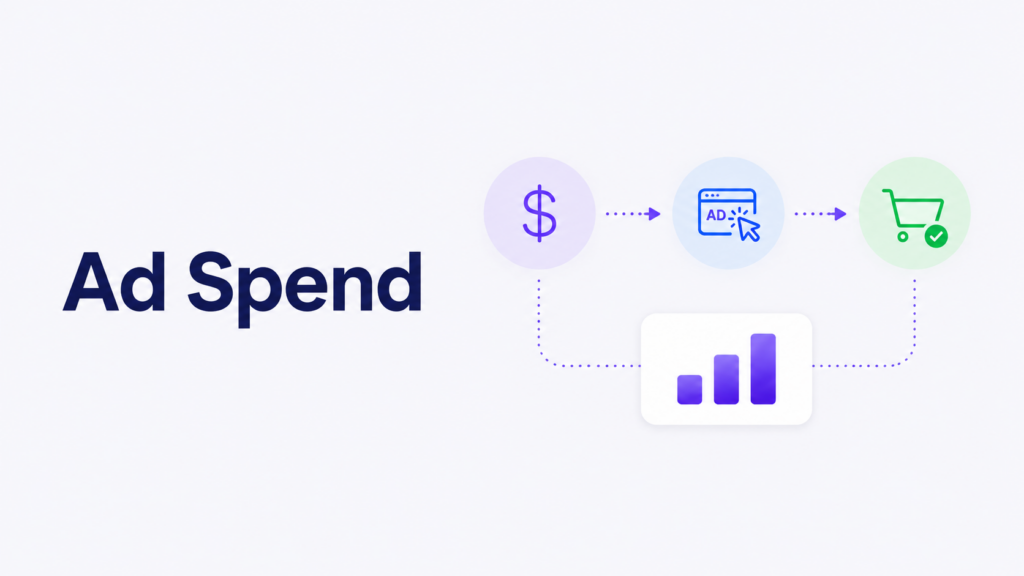
What Is Ad Spend? Ad spend is the amount of money a business spends on advertising campaigns across channels such as paid search, paid social, display ads, video ads, marketplaces, and other media platforms. It usually refers to direct media costs, but some teams may also include related costs such as agency fees, creative production, […]
Propensity Scores in Marketing: What They Measure and How Teams Use Them
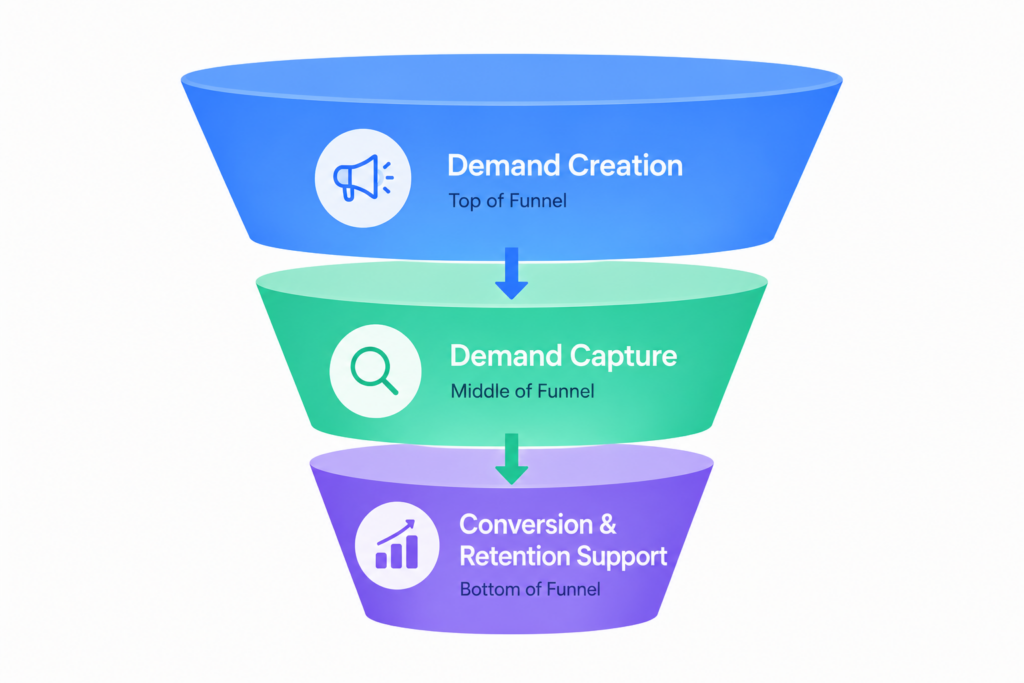
Propensity scores in marketing are numerical ratings that estimate how likely a person, account, or audience segment is to take a specific action. That action might be making a purchase, requesting a demo, renewing a subscription, clicking an ad, or becoming a qualified lead. A propensity score is usually based on behavioral, demographic, firmographic, transactional, […]
Ad Spend
What Is Ad Spend? Ad spend is the amount of money a business spends on advertising campaigns across channels such as paid search, paid social, display ads, video ads, marketplaces, and other media platforms. It usually refers to direct media costs, but some teams may also include related costs such as agency fees, creative production, […]
Attribution
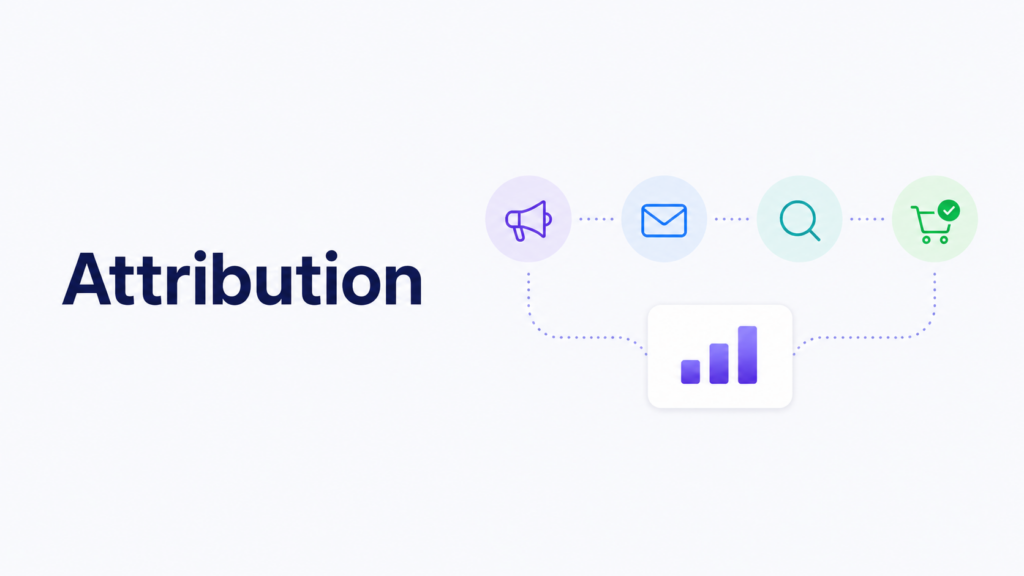
What Is Attribution? Attribution is the process of identifying which marketing touchpoints influenced a conversion, lead, sale, or other business outcome. In marketing, attribution helps teams understand where results came from, which channels contributed, and how campaigns supported the customer journey. What Does Attribution Mean in Marketing? In marketing, attribution connects user actions to the […]
How Do You Connect CRM Data to Marketing Attribution?
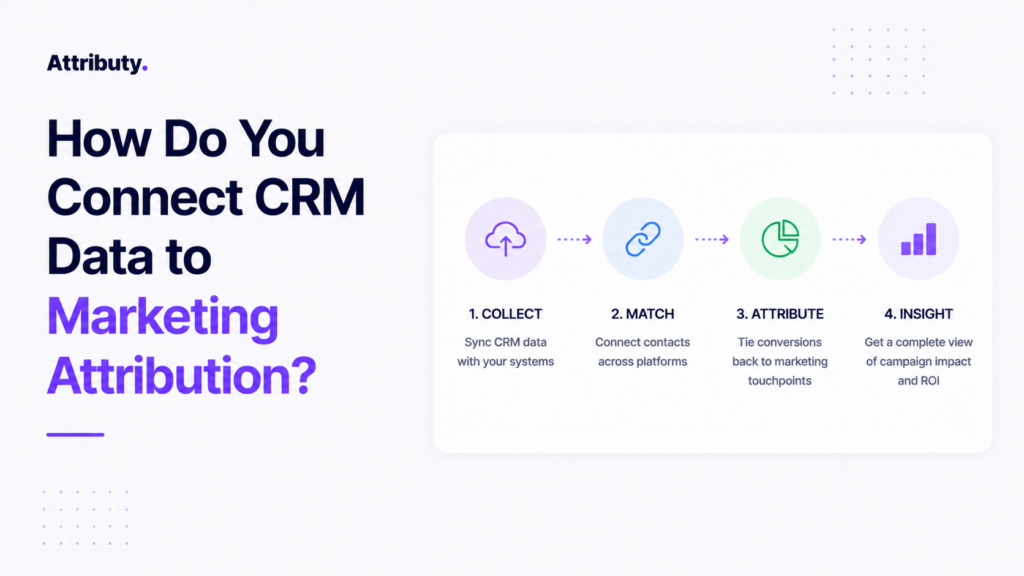
Connecting CRM data to marketing attribution means linking campaign interactions with leads, opportunities, customers, and revenue. It allows marketing teams to see not only which campaigns generate form submissions, but which sources contribute to qualified pipeline and closed business. Without CRM integration, attribution often stops at website conversions such as demo requests, trial signups, or […]
Marketing Spend Optimization: How Attribution Improves Budget Decisions

Marketing spend optimization is the process of using performance data to decide where budget should be increased, reduced, or reallocated. The goal is not simply to spend less, but to direct investment toward the channels and campaigns most likely to generate qualified conversions, pipeline, and revenue. Attribution improves this process by showing how different touchpoints […]
How Does Predictive Audience Targeting Improve ROI?
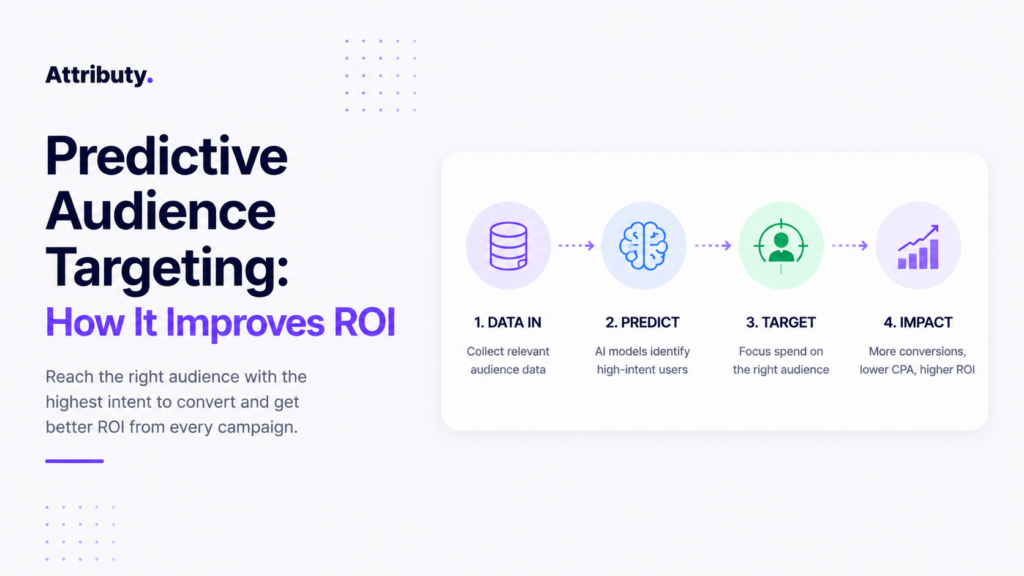
Predictive audience targeting improves ROI by helping marketers direct budget, bids, messaging, and follow-up toward users or accounts with a stronger likelihood of producing valuable outcomes. Instead of treating every audience member equally, it uses historical behavior, intent signals, customer data, and conversion patterns to identify where marketing investment has greater potential. The objective is […]
Marketing Mix Modeling
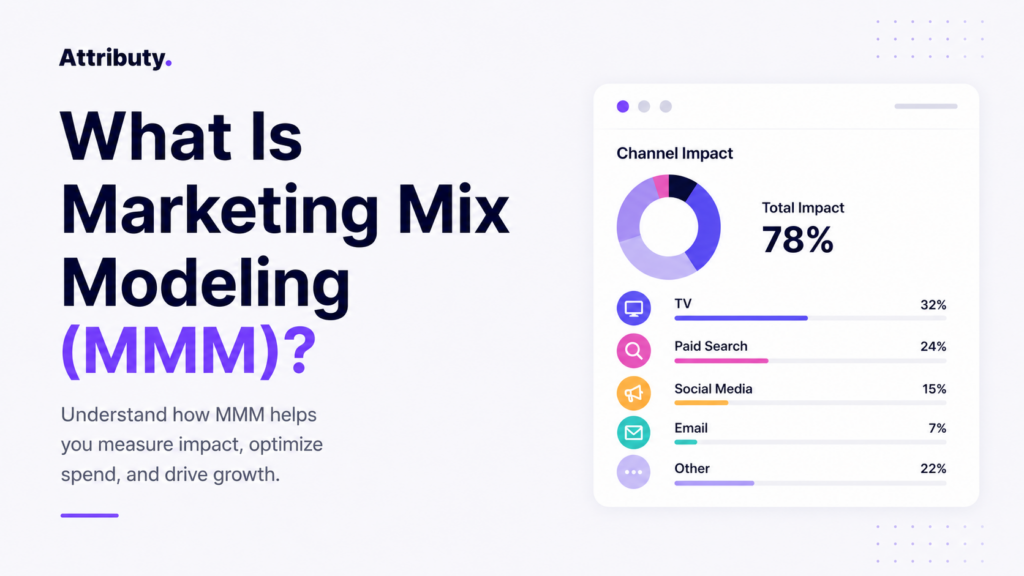
What Is Marketing Mix Modeling? Marketing mix modeling, or MMM, is a statistical measurement method that estimates how marketing channels, external factors, and business conditions contribute to sales, revenue, or another business outcome over time. MMM uses aggregated historical data rather than tracking individual users. It can analyze paid search, paid social, television, radio, events, […]
Lead Source Attribution: How to Track Leads From First Touch to Revenue
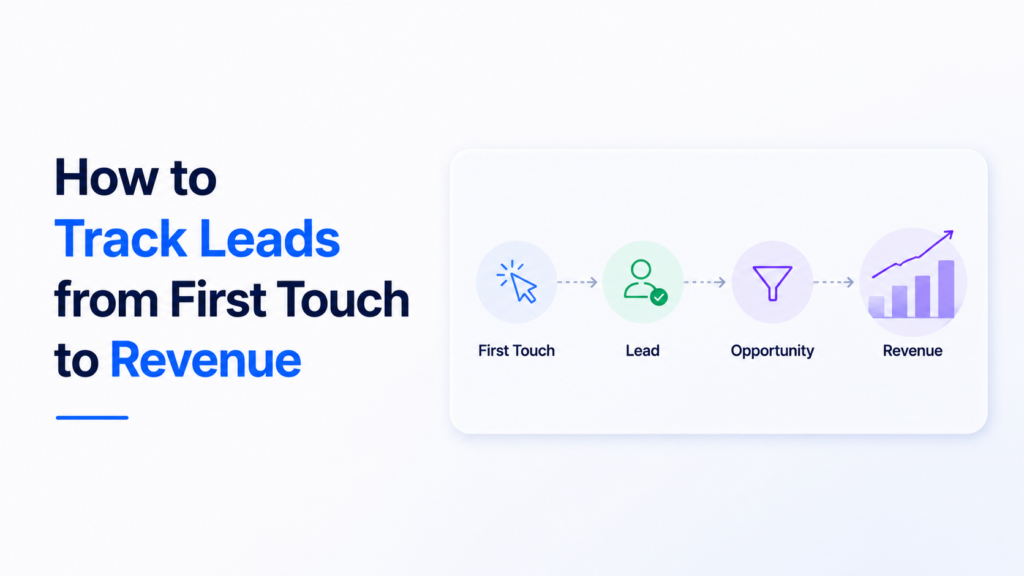
Lead source attribution is the process of identifying where a lead originated and connecting that source to later outcomes such as qualification, pipeline, customers, and revenue. It helps marketers determine whether a channel is simply generating form submissions or creating leads that eventually produce business value. A source that generates the most leads is not […]
Attribution Audit Checklist: Why Your Numbers Don’t Match

An attribution audit is a structured review of conversion tracking, campaign data, attribution settings, and revenue reporting. Its purpose is to explain why platforms such as Google Ads, Meta, GA4, CRM systems, and attribution tools report different performance numbers. The objective is not to make every system show identical results. Different tools use different attribution […]
How to Build a Marketing Budget Plan Using ROI Signals
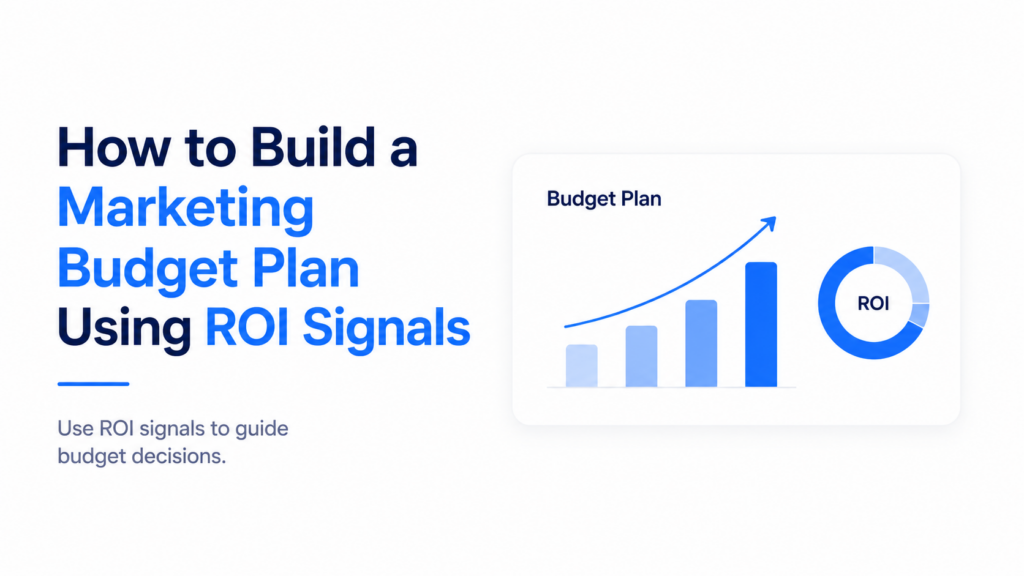
A marketing budget plan explains how a business will distribute spending across channels, campaigns, tools, content, and experiments during a defined period. A stronger plan uses ROI signals to guide those decisions instead of copying last year’s budget or dividing spend according to internal preferences. Useful ROI signals include revenue, customer acquisition cost, qualified pipeline, […]
Ad Spend Tracking: What Marketers Need to Measure

Ad spend tracking is the process of recording advertising costs and connecting them to campaign activity, conversions, pipeline, and revenue. It helps marketers understand how much is being invested across paid channels and what that investment produces. Unlike an ad spend glossary page, this guide focuses on how to build a reliable tracking process. It […]
How Click Fraud Affects Attribution and Campaign Reporting
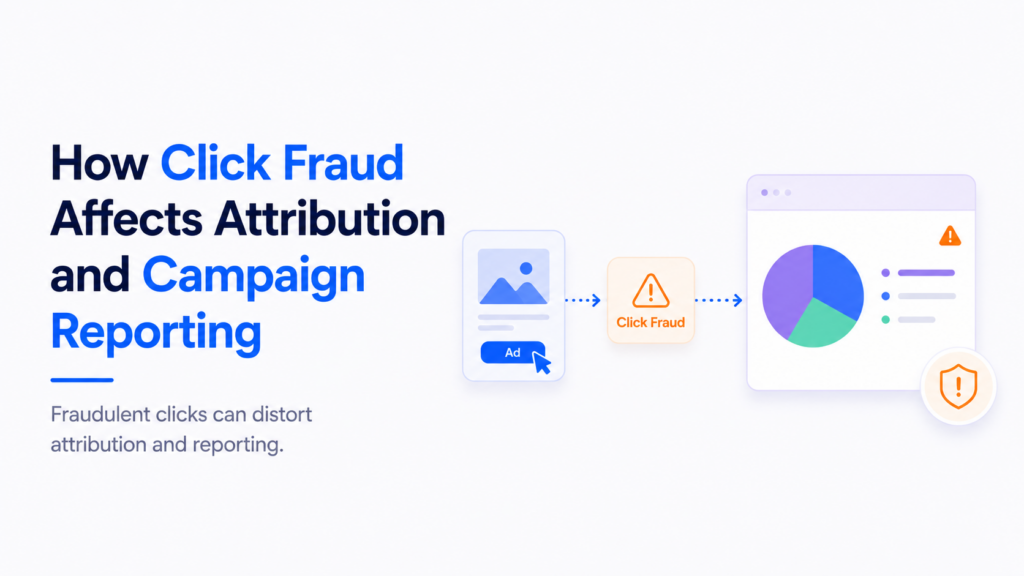
Click fraud affects attribution by introducing fake or low-quality interactions into the customer journey. When fraudulent clicks are treated as genuine engagement, campaigns, channels, keywords, or placements may receive credit for conversions they did not influence. This can distort campaign reporting even when the fraudulent click does not create a direct conversion. A suspicious interaction […]
How Do You Reallocate Marketing Budget Across Channels?
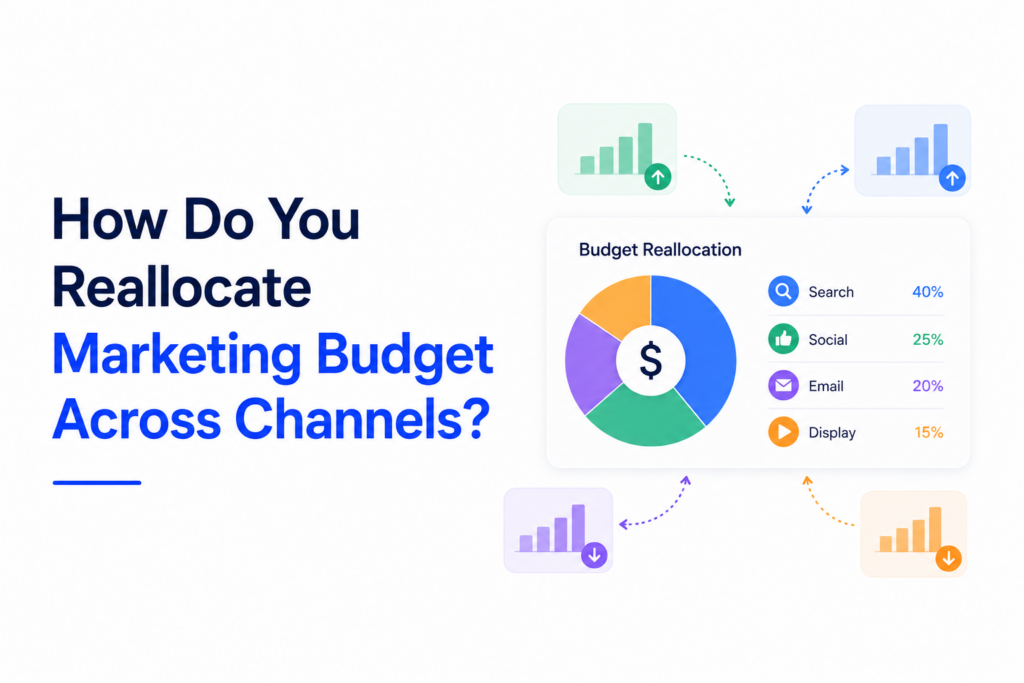
You reallocate marketing budget by moving spend away from channels with weak incremental performance, limited capacity, or declining returns and directing it toward channels with stronger business outcomes and more room to scale. The decision should not be based only on which platform reports the highest ROAS. Marketers also need to consider conversion quality, pipeline, […]
Unified Marketing Measurement
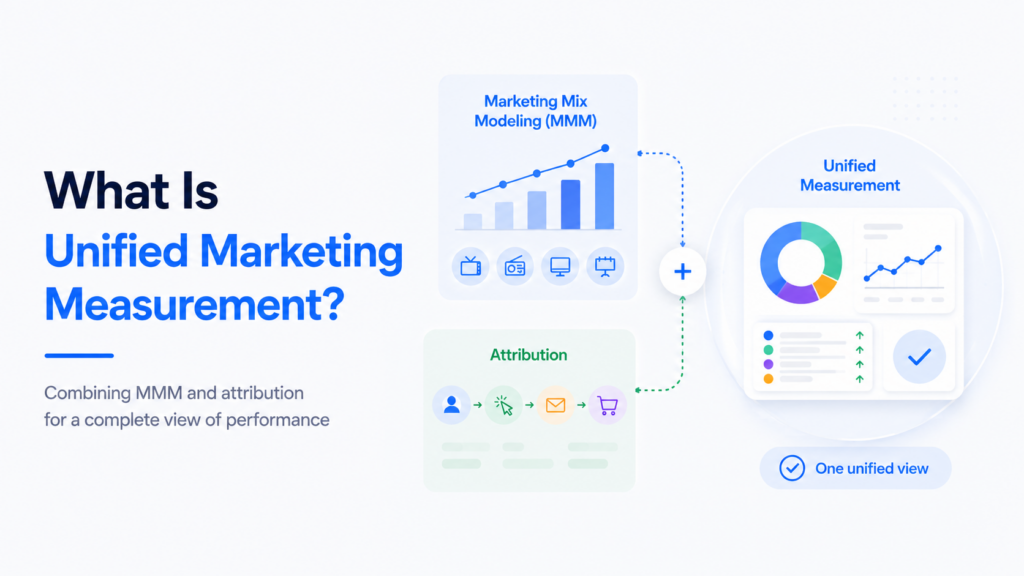
What Is Unified Marketing Measurement? Unified marketing measurement is a framework that combines multiple measurement methods and data sources to evaluate how marketing contributes to conversions, revenue, and business growth. It typically brings together marketing attribution, marketing mix modeling, conversion data, media spend, CRM outcomes, and online and offline activity. This gives marketers a broader […]
Propensity Scores
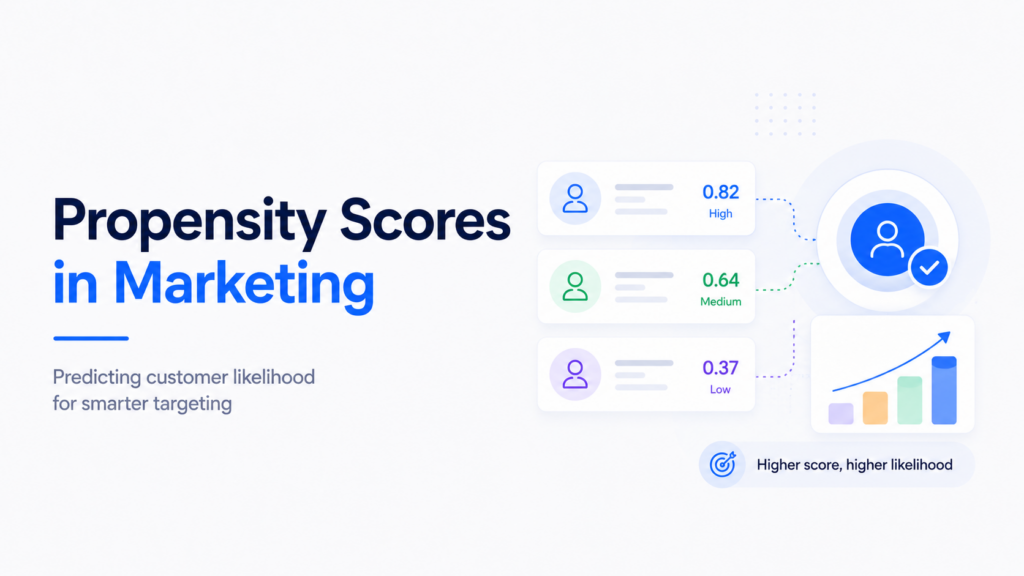
What Are Propensity Scores in Marketing? Propensity scores in marketing are numerical estimates of how likely a person, account, or audience segment is to complete a specific action. That action may be making a purchase, requesting a demo, renewing a subscription, becoming a qualified lead, or responding to a campaign. The score is usually calculated […]
Marketing Mix Modeling vs Attribution: Which Should SMBs Use
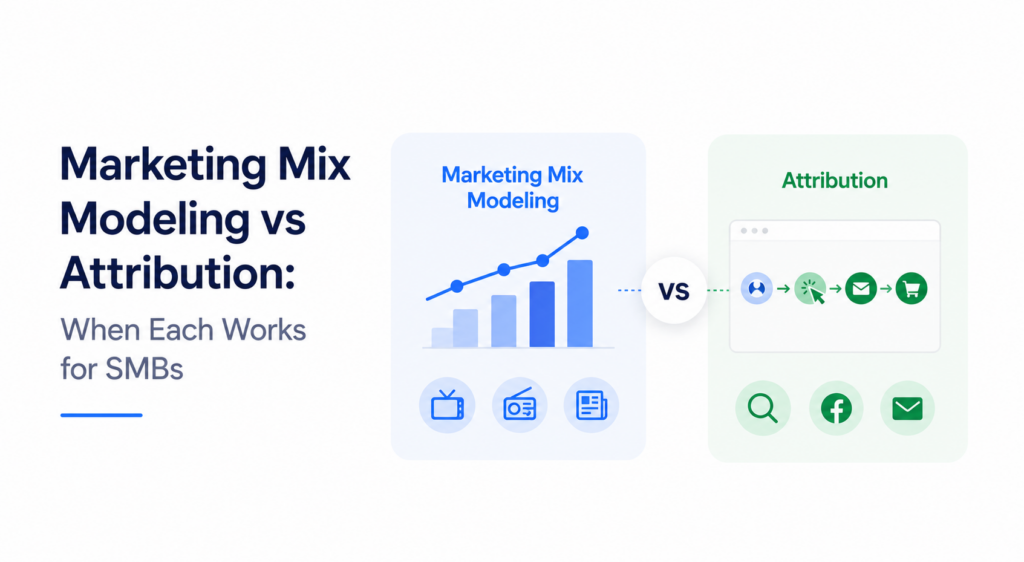
Marketing mix modeling vs attribution is not a choice between two versions of the same measurement method. Attribution examines recorded customer touchpoints and conversion journeys, while marketing mix modeling estimates how marketing activity contributes to business results at an aggregated level. For SMBs, attribution is usually more useful for campaign optimization and understanding digital journeys. […]
UTM Parameters

What Are UTM Parameters? UTM parameters are tracking tags added to the end of a URL to identify where website traffic comes from and which campaign, channel, or link generated the visit. Also called UTM tags, they pass campaign information into analytics and attribution tools. For example, an email newsletter, LinkedIn advertisement, and partner website […]
Marketing Budget Allocation: A Practical Framework for SMB Growth

Marketing budget allocation is the process of deciding how much to invest across channels, campaigns, audiences, and stages of the customer journey. For SMBs, effective allocation is especially important because limited resources leave less room for fragmented spending or poorly measured experiments. The objective is not to find one universal percentage for paid search, social […]
Ad Spend Optimization: A Practical Guide for B2B and SMB Marketers
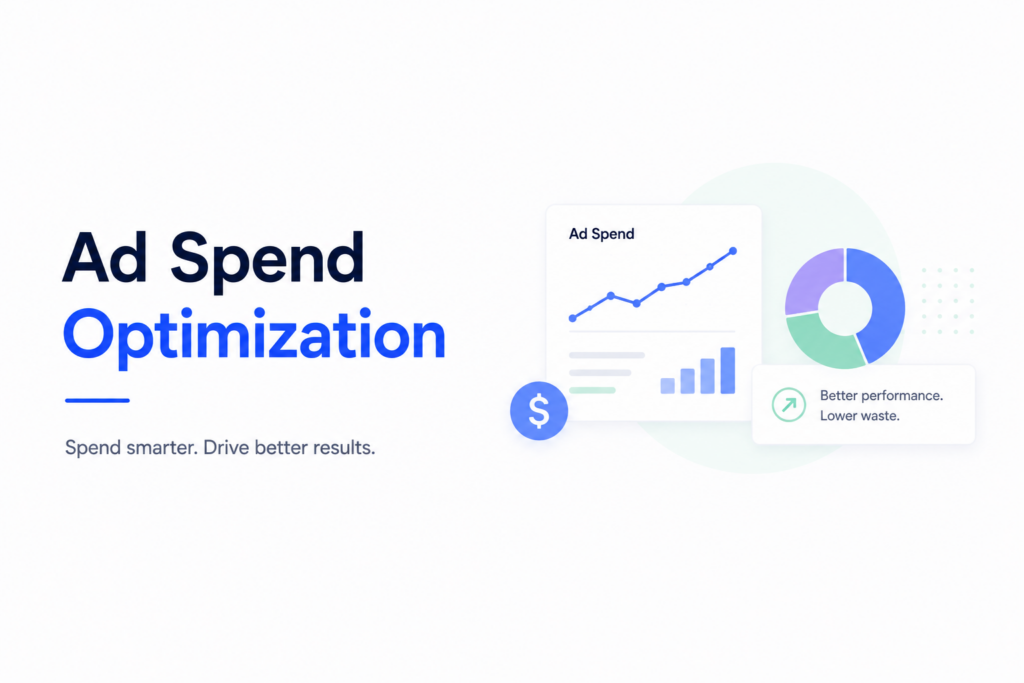
Ad spend optimization is the ongoing process of improving how advertising budgets are allocated, measured, and adjusted to generate stronger business outcomes. It helps marketers decide which campaigns to scale, which audiences to refine, where spend is being wasted, and when budget should move between channels. For B2B and SMB teams, optimization should go beyond […]
How to Measure Marketing ROI: A Tracking Checklist for SMBs
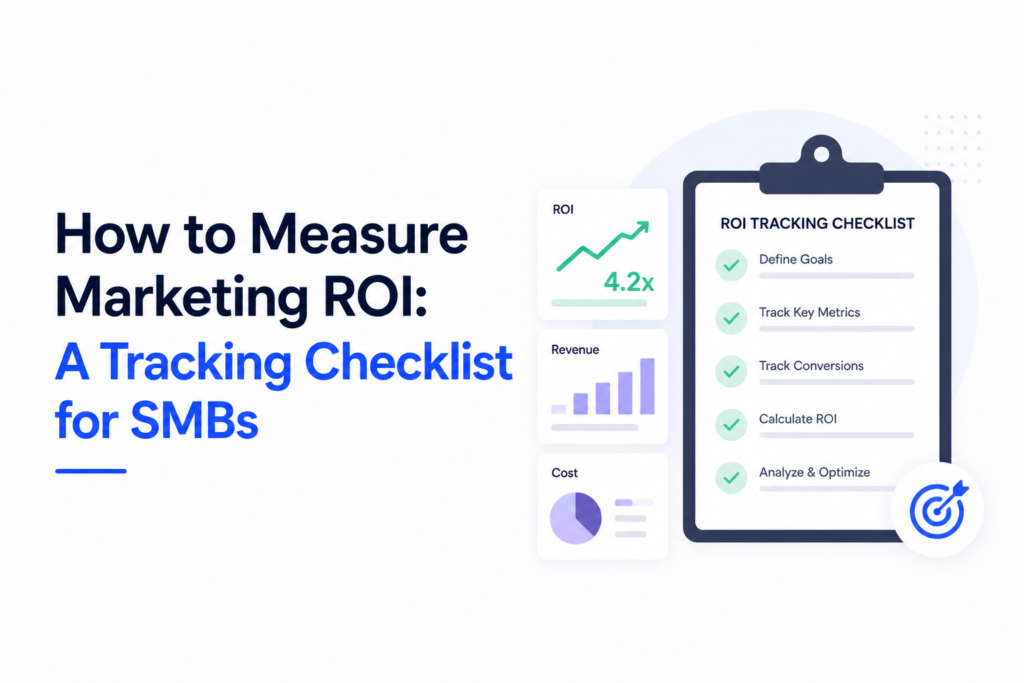
Knowing how to measure marketing ROI helps SMB teams determine whether campaigns are generating enough value to justify their costs. The formula is straightforward, but the reliability of the result depends on accurate spending data, meaningful conversion tracking, consistent campaign naming, CRM revenue, and a suitable attribution method. For many SMBs, these inputs sit across […]
Invalid Traffic
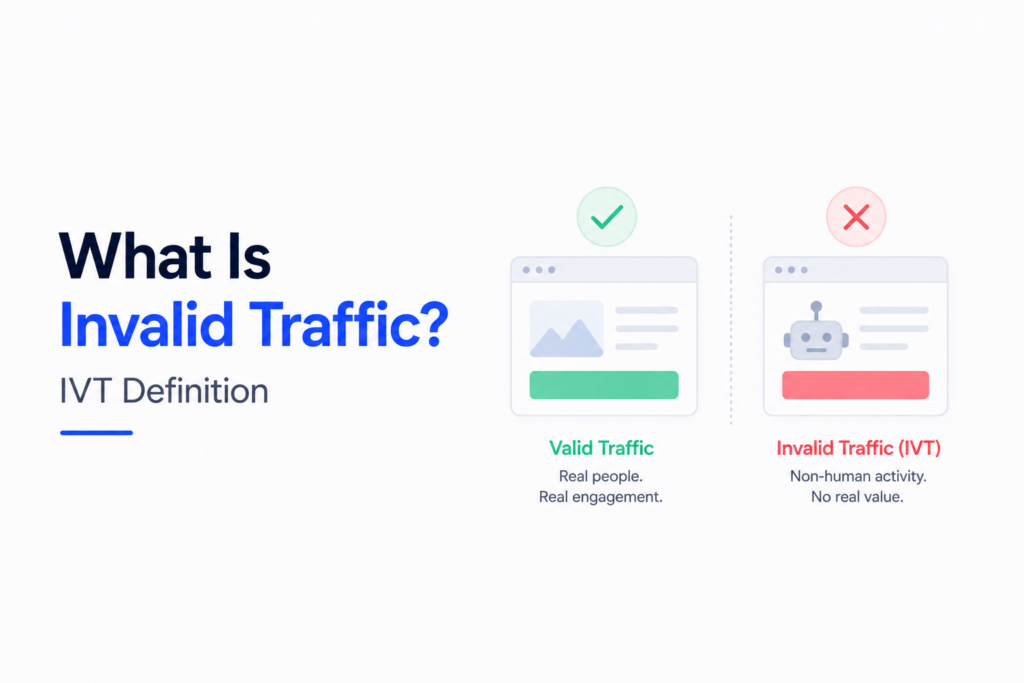
What Is Invalid Traffic? Invalid traffic, often shortened to IVT, is advertising or website activity that does not represent genuine user interest. It can include automated bot visits, fraudulent clicks, repeated non-human interactions, accidental clicks, and fake conversions created to inflate advertising metrics or consume campaign budgets. Invalid traffic can make campaigns appear more active […]
How Do Marketing What-If Scenarios Work?
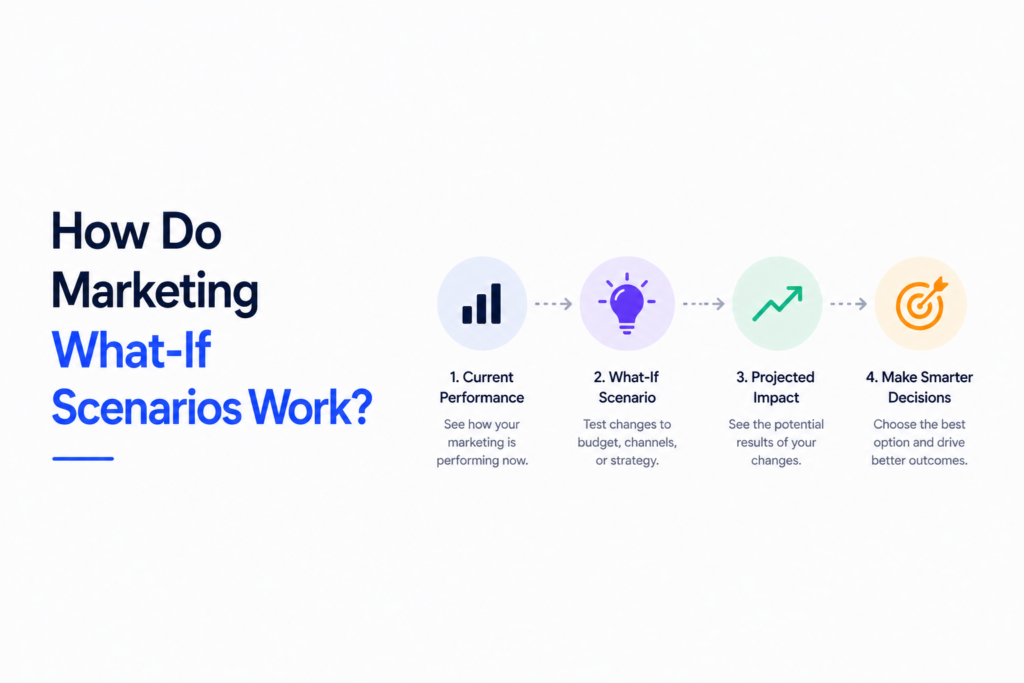
Marketing what-if scenarios estimate how a proposed change in budget, channel mix, timing, targeting, or campaign strategy could affect performance before the change is implemented. They help marketers compare possible outcomes using historical data, attribution insights, cost trends, and clearly defined assumptions. For example, a team might model what could happen if it moved 15% […]
Offline Conversion Tracking
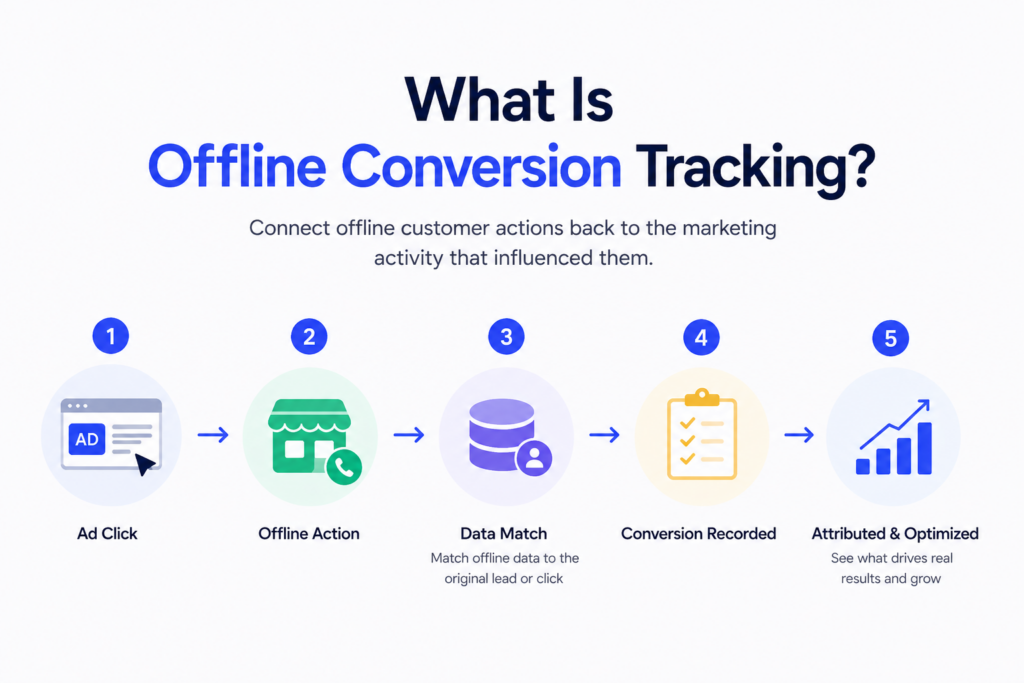
What Is Offline Conversion Tracking? Offline conversion tracking is the process of connecting customer actions that happen outside a website or advertising platform to the marketing campaigns that influenced them. These conversions can include qualified leads, sales calls, consultations, store purchases, signed contracts, and closed CRM opportunities. It helps marketers continue measuring the customer journey […]
Intent Signals in Marketing: How to Identify High-Intent Audiences
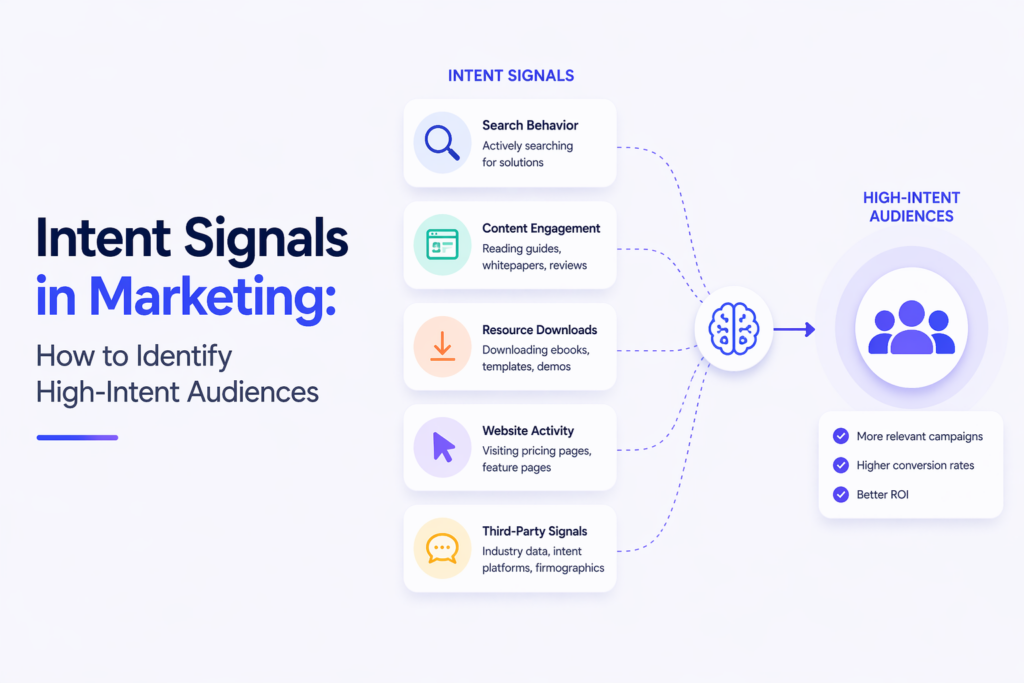
High-intent audiences are groups of users who show stronger signs that they may complete a valuable action, such as requesting a demo, starting a trial, making a purchase, or contacting sales. Marketers identify these audiences by analyzing intent signals such as page visits, repeat sessions, search behavior, campaign engagement, and CRM activity. A single action […]
UTM Governance: How to Build a Naming System That Doesn’t Break Reporting

A consistent UTM naming convention helps marketing teams understand where campaign traffic comes from and how individual campaigns contribute to conversions. Without clear standards, small variations such as paid_social, paid-social, and paidsocial can split one channel into several reporting categories. UTM governance prevents this fragmentation by defining how campaign links are created, reviewed, approved, and […]
Agentic AI Marketing Optimization: Use Cases, Limits, and Risks

Agentic AI marketing optimization refers to AI systems that continuously monitor marketing performance, identify meaningful changes, and recommend actions marketers can take. Unlike a static dashboard or scheduled report, an agentic system is designed to evaluate new data and respond proactively. In marketing, this may include recommending budget changes, identifying declining campaign efficiency, suggesting targeting […]
Conversion Propensity Modeling
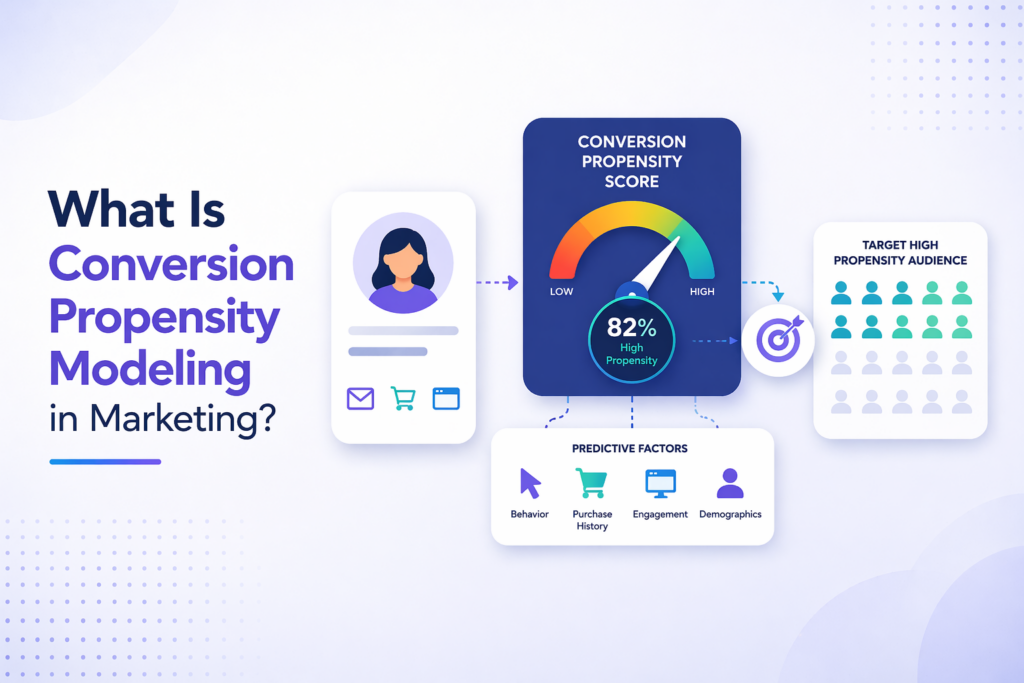
What Is Conversion Propensity Modeling? Conversion propensity modeling is a predictive marketing method used to estimate how likely a person, lead, or customer is to complete a specific action. That action might be making a purchase, requesting a demo, starting a trial, upgrading a subscription, or becoming a qualified lead. A conversion propensity model analyzes […]
Marketing ROI vs ROAS: What’s the Difference?
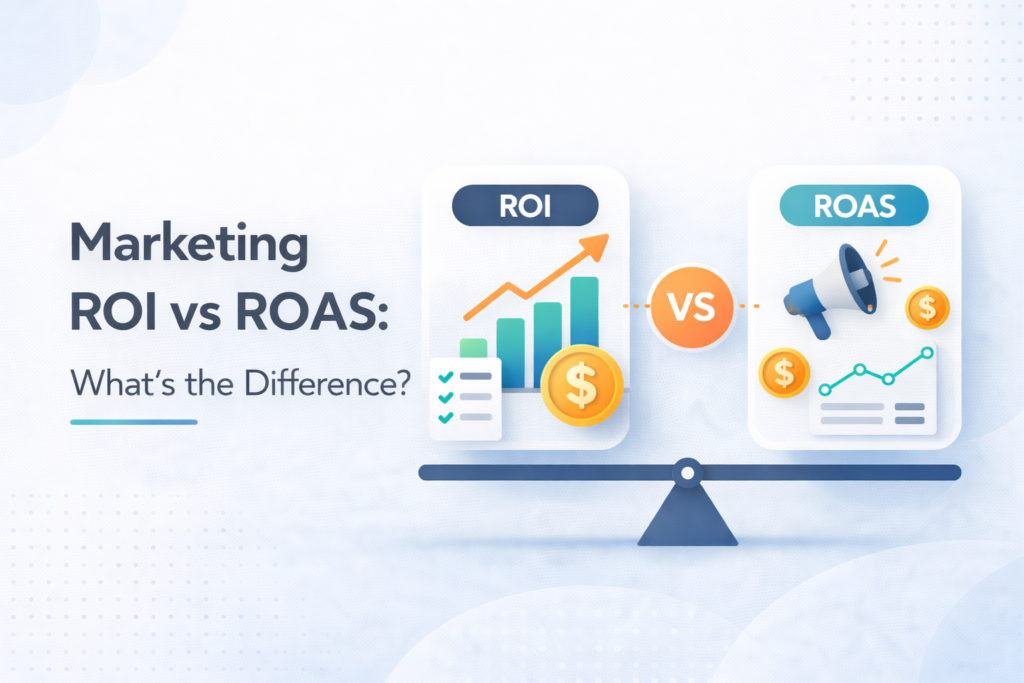
Marketing ROI and ROAS both measure marketing performance, but they answer different questions. ROAS shows how efficiently advertising spend generates revenue, while marketing ROI evaluates the broader financial return from the total marketing investment. In practical terms, ROAS is mainly a paid media efficiency metric. Marketing ROI is a broader profitability metric that can include […]
Marketing ROI Formula: How to Calculate It With an Example

The marketing ROI formula measures the financial return generated by marketing compared with the amount invested. It helps teams evaluate whether a campaign, channel, or broader marketing activity is producing enough value to justify its cost. The standard formula is: Marketing ROI = ((Revenue attributed to marketing − Marketing cost) ÷ Marketing cost) × 100 […]
Marketing ROI: What It Is, How to Calculate It, and What Affects It

Marketing ROI measures the financial return generated by marketing compared with the amount invested. It helps businesses evaluate whether campaigns, channels, and broader marketing programs are contributing enough revenue or profit to justify their costs. The basic formula is straightforward, but reliable marketing ROI measurement is not. Teams must decide which costs to include, how […]
Assisted Conversions
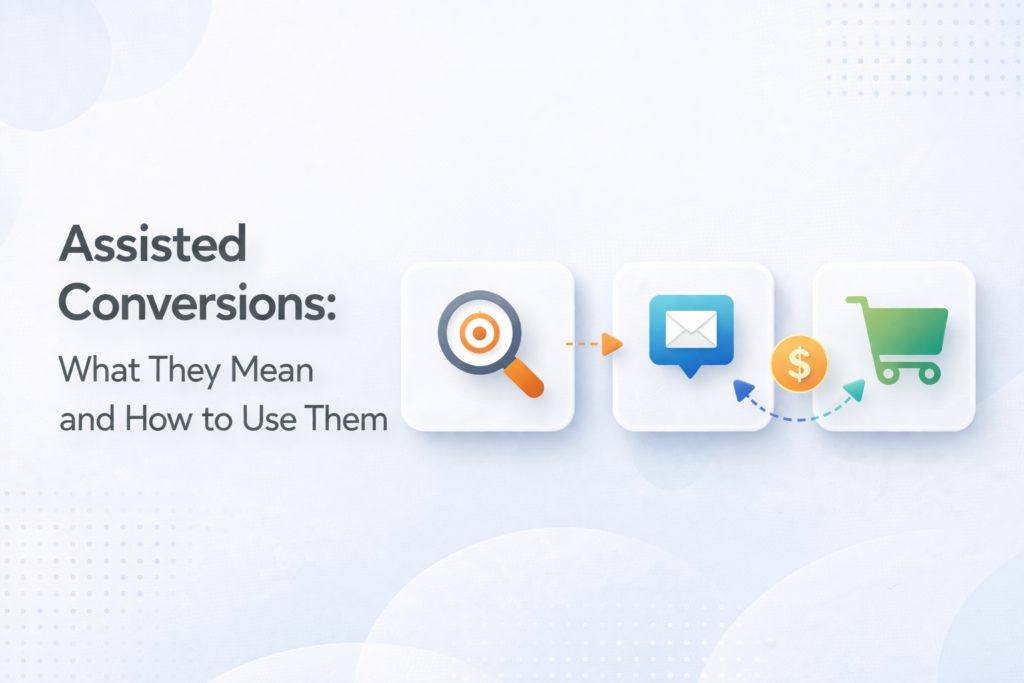
What Are Assisted Conversions? Assisted conversions are conversions where a marketing channel contributed to the customer journey but was not the final interaction before the conversion. They help marketers identify channels that introduce prospects, support consideration, or encourage return visits even when another channel receives the last-click credit. For example, a customer may discover a […]
View-Through Attribution

What Is View-Through Attribution? View-through attribution is a measurement method that credits an advertising impression when someone sees an ad, does not click it, and later completes a conversion within a defined period. It is commonly used for display, video, connected TV, programmatic, and paid social campaigns, where an impression may influence future behavior without […]
Google Ads Data-Driven Attribution: How It Works and Where It Falls Short
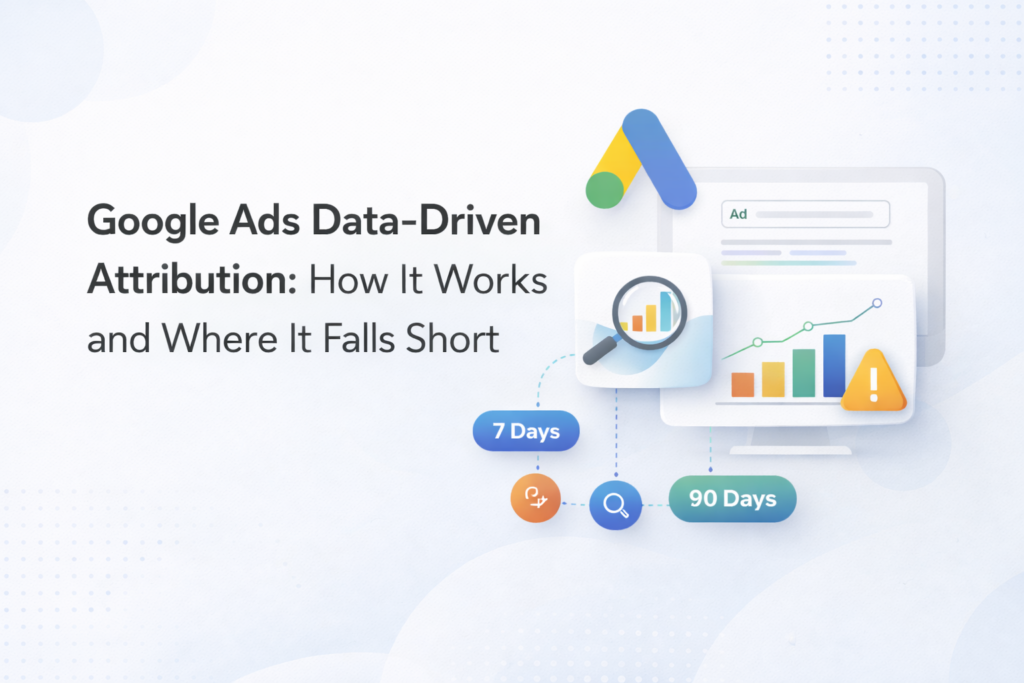
Data-driven attribution in Google Ads assigns conversion credit according to how different Google ad interactions contribute to an outcome. Instead of giving 100% of the credit to the final interaction, it uses account data to identify patterns across conversion paths and distribute fractional credit. For advertisers using several Google campaign types, this can provide a […]
Attribution Window

What Is an Attribution Window? An attribution window is the period during which a conversion can be credited to an earlier marketing interaction. It determines how long after someone clicks or views an advertisement a platform can associate a purchase, signup, lead, or other conversion with that interaction. For example, a seven-day click window credits […]
GA4 Attribution vs Dedicated Attribution Software: When to Upgrade
GA4 attribution vs attribution software is an important comparison for growing marketing teams. Google Analytics 4 provides a strong foundation for tracking website and app behavior, measuring key events, and reviewing how channels contribute to conversions. The question is not whether GA4 is useful. It is whether GA4 can continue answering the decisions your team […]
Attribution Models: First-Click vs Last-Click vs Multi-Touch

Attribution models are frameworks that determine how conversion credit is assigned across marketing touchpoints. They help marketers evaluate whether paid ads, organic search, email, social media, direct visits, or other interactions contributed to a purchase, lead, signup, or demo request. Each model interprets the customer journey differently. As a result, the model a team selects […]
Data-Driven Attribution: A Practical Guide for B2B and SMB Marketers

Data-driven attribution uses observed customer journey and conversion data to estimate how different marketing touchpoints contribute to business outcomes. Unlike first-click or last-click models, it does not apply the same predetermined rule to every conversion path. For B2B and SMB marketers, data-driven attribution can provide a more complete view of performance across paid search, paid […]
Conversion Tracking
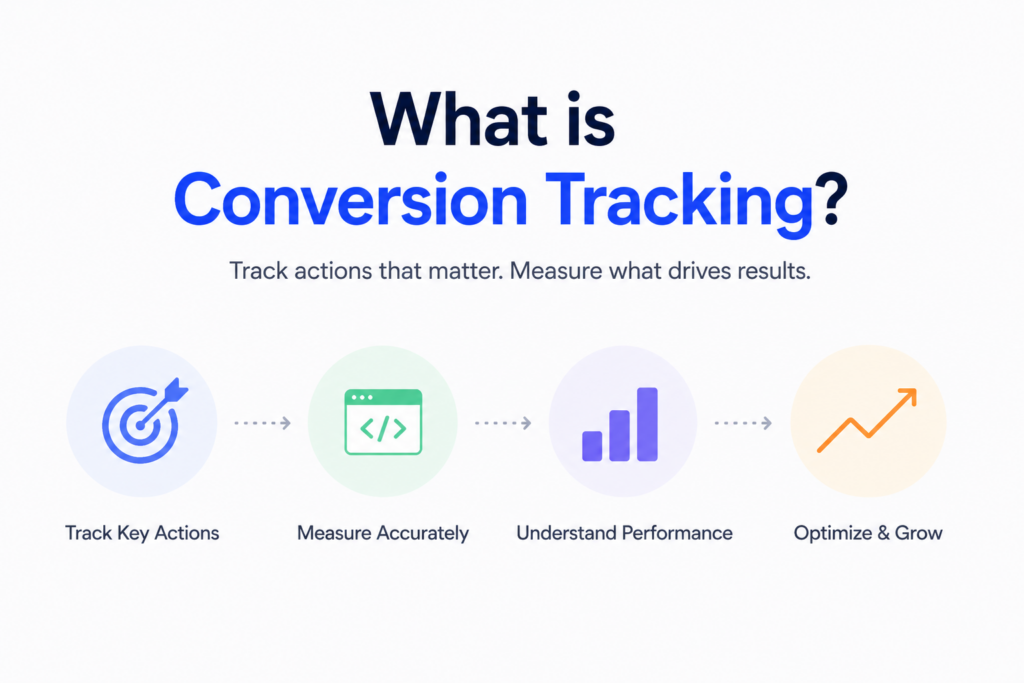
What Is Conversion Tracking? Conversion tracking is the process of recording when a user completes a valuable action after interacting with a marketing campaign. Common conversions include purchases, form submissions, demo requests, account signups, phone calls, qualified leads, and closed deals. Conversion tracking captures the outcome, while marketing attribution determines how credit for that outcome […]